Group Adventure Dates.  4.9 of 489 reviews
  4.8 of 232 reviews
4.9 of 489 reviews 4.8 of 232 reviews 
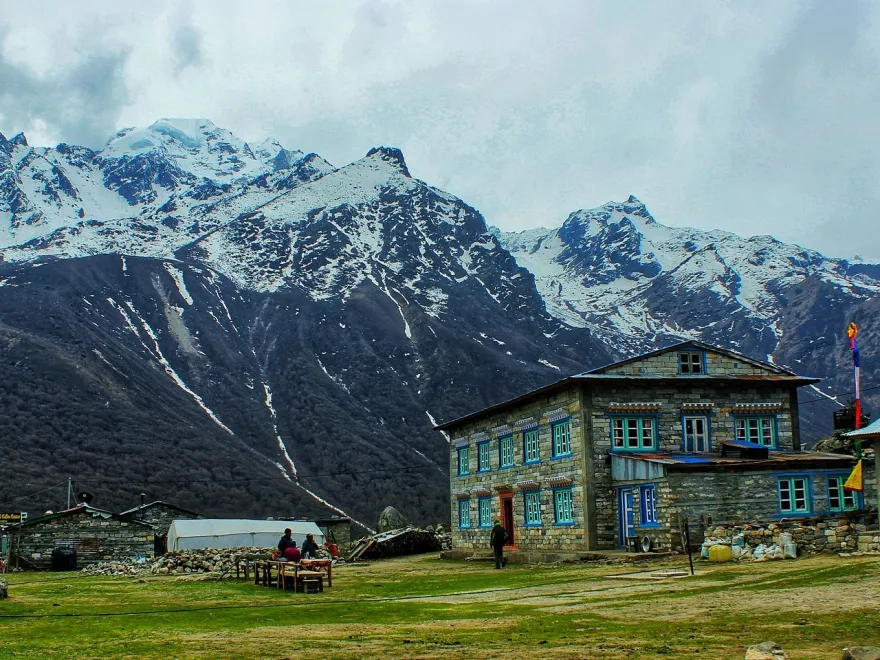
Discover the cultural beauty of Nepal with Everest Extreme Adventure on the Tamang Heritage Trek. Explore traditional Tamang villages, experience Tibetan-influenced culture, relax in natural hot springs, visit historic Rasuwagadhi, and enjoy breathtaking Himalayan views along peaceful mountain trails.
Tamang Heritage Trek takes you on a journey to experience the lives of the Tamang people, one of the nomadic tribes of Nepal. This trek offers an immense opportunity to stay and dine with local families. Along with it, experience Tibetan-styled customs, cultures, and traditions. It is a community-based trekking program designed for all kinds and ages of trekkers.
Tamang Heritage trail remains famous for its local inhabitants. Tamang is the largest ethnic group in the country. Their name derived from the word “Ta-Mag,” meaning “horse soldiers.” Although scattered throughout Eastern, Central, and Western Nepal, the nomadic Tamang tribe only live in the Tamang Heritage Trail. The cultural trail lies between two majestic mountains, Ganesh Himal and Langtang Himal. Enjoy the mountainous panorama of Ganesh, Langtang, Langshisha Ri, and Yala Peak. The major part of the trail goes through Langtang National Park, the first Himalayan national park in Nepal.
The 10-days trek begins upon your arrival in Kathmandu City. Embark on an adventurous journey along the massive Bhote Koshi River towards Syabrubensi village lying in Langtang National Park. The national park is also home to the endangered species of Red Panda. The scenic trail begins to rise through the culturally rich settlements of Gatlang and Tatopani towards Thuman. Observe the local Tamang culture and lifestyle and try the local Tamang cuisine and rice beer (Chyang) during your stay.
The trail rises through Nagthali Ghyang and Timure towards Rasuwagadhi. You will also get to explore Rasuwagadhi, the historical fort ruin located at Nepal-Tibetan border. The ancient site of Rasuwagadhi fort remained a major battle point during Nepal-Tibet War. Explore the archaeological site and then begin retracing your path back to Syabrubensi via Timure and Briddim villages. The trek concedes upon your return to Kathmandu. Some of the magnificent Himalayas visible during the trek are Langtang Lirung, Langtang Ri, Ganesh Himal, Tserko Ri Peak, and Yala Peak.
Undertake this beautiful trek with Everest Extreme Adventure to enjoy a journey of your lifetime. We cater to all kinds of tourists and accommodate solo, private, and group trekkers. Enjoy full-board trek package, includes transportation, comfortable accommodation, experienced guides and staff, and permits.
Choosing the right season is important for enjoying the scenery, cultural experiences, and walking conditions of the Tamang Heritage Trek. The trail can be explored during several months of the year, but spring and autumn are generally the best seasons because they offer favorable weather, comfortable daytime temperatures, and excellent opportunities to enjoy mountain views. Everest Extreme Adventure recommends selecting your travel dates according to your preferences for clear skies, seasonal landscapes, and quieter trails.
Spring (March to May) is an excellent time to undertake the Tamang Heritage Trek. During this season, the weather gradually becomes warmer, forests and hillsides become greener, and the Himalayan landscape is especially attractive. The walking conditions are generally pleasant, making spring suitable for travelers who want to enjoy both cultural exploration and natural beauty. Clear mornings can provide beautiful mountain views, although afternoon clouds and occasional rain may occur.
Autumn (September to November) is another highly recommended season. Following the monsoon, the landscape is refreshed, and the skies are often clear, creating excellent conditions for photography and mountain sightseeing. Daytime temperatures are usually comfortable for trekking, while mornings and evenings can be cold, particularly at higher elevations such as Nagthali Ghyang. Autumn is also a lively time to experience Nepalese festivals and local traditions, depending on your travel dates.
Winter, from December to February, can also be suitable for trekkers who prefer quieter trails and colder weather. However, temperatures may drop significantly, and snowfall or icy conditions can affect higher sections of the route. The monsoon season, generally from June to August, brings heavier rainfall, humidity, muddy trails, and an increased risk of landslides and transport delays. Travelers planning a monsoon trek should be flexible and check local weather and road conditions.
The Tamang Heritage Trek is generally considered a moderate-level trekking adventure and is suitable for travelers with a reasonable level of fitness. It does not require technical climbing skills, mountaineering experience, or specialized climbing equipment. However, trekkers should be prepared for several consecutive days of walking on uneven trails, stone steps, village paths, forest tracks, and occasional steep ascents and descents. The itinerary includes approximately five to seven hours of walking on several days, so good stamina and preparation are important.
The trek reaches Nagthali Ghyang at approximately 3,165 meters, the highest point on the provided itinerary. Although this elevation is lower than many major Himalayan trekking destinations, some travelers may experience symptoms of altitude-related illness. Walking at a comfortable pace, drinking sufficient fluids, eating regularly, and informing your guide about any symptoms are important precautions. Everest Extreme Adventure encourages trekkers to undertake regular walking, hiking, or cardiovascular exercise before departure to improve endurance and confidence on the trail.
Transportation is an important part of the journey. On Day 2, travelers drive from Kathmandu to Syabrubensi by private vehicle, with an estimated journey of six to seven hours depending on traffic, road conditions, weather, and stops. After completing the trekking circuit, you return from Syabrubensi to Kathmandu on Day 9. Private transportation provides greater flexibility and convenience than public transport, especially for travelers carrying trekking equipment and luggage. However, mountain roads can be rough, and travel times may change due to landslides, road construction, or seasonal weather conditions.
During the trekking section, travel is mainly on foot between villages. Local guides help navigate the trail, manage the daily schedule, explain cultural traditions, and assist with practical arrangements. Trekkers should carry a comfortable daypack containing water, snacks, rain protection, sun protection, and essential personal items.
Food and accommodation are important parts of the Tamang Heritage Trek, allowing travelers to experience both the comfort of village hospitality and the traditional cuisine of the Himalayan region. During the trekking days, accommodation is generally provided in local teahouses, guesthouses, or community homestays, depending on availability in each village. These establishments offer a simple and welcoming environment where trekkers can rest after a day on the trail and interact with local families.
In villages such as Gatlang, Tatopani, Thuman, and Briddim, homestay experiences may provide a particularly meaningful opportunity to learn about Tamang culture. Visitors can discover traditional cooking methods, local customs, and everyday village life. Rooms are generally basic and may include twin beds, blankets, and shared bathroom facilities. Hot showers, charging facilities, and internet access may be limited or available for an additional fee. Standards vary between villages, so travelers should be prepared for simpler facilities than those found in Kathmandu hotels.
Meals along the Tamang Heritage Trail commonly include traditional Nepali dal bhat, consisting of rice, lentil soup, vegetables, and sometimes meat. Other options may include noodles, fried rice, soups, potatoes, eggs, Tibetan-style bread, and momos. The availability of particular dishes depends on the village and lodge. Hot tea, coffee, and other basic refreshments are usually available, although prices and choices may vary with elevation and transport access.
In Kathmandu, accommodation can be arranged in a hotel according to the selected package category, ranging from standard tourist hotels to more comfortable properties. Everest Extreme Adventure can help organize the trip's accommodation and meal arrangements according to your preferences and budget. Travelers with vegetarian, vegan, or other dietary requirements should inform the company in advance so that suitable arrangements can be discussed.
Before starting the Tamang Heritage Trek, travelers should ensure that they have the required trekking permits and identification documents. Permit requirements can depend on the current regulations, the exact route, and any protected areas included in the itinerary. Because the Tamang Heritage Trail lies in the Langtang region, which includes areas subject to national park regulations, trekkers should confirm the applicable entry requirements before traveling.
For itineraries entering Langtang National Park, a Langtang National Park entry permit is generally required. This permit supports the conservation and management of the protected area and helps regulate visitor access. However, requirements should be checked against the final route, as the precise permit obligations for a particular Tamang Heritage itinerary may differ depending on where the trail travels and which boundaries it crosses.
Trekkers should also confirm whether a TIMS (Trekkers' Information Management System) card or any additional registration is required under the rules in force at the time of travel. Permit policies and trekking regulations can change, so it is important not to rely solely on older travel information. Everest Extreme Adventure can help travelers verify the current requirements and understand which permits, fees, and documents are necessary for their planned itinerary.
Travelers should bring a valid passport and keep several photocopies or digital copies of important documents. It is advisable to carry the required permits throughout the trek, as officials may check documents at relevant checkpoints. Travelers should also keep emergency contact details and travel insurance information accessible during the journey.
Choosing the right trekking company can make a significant difference to your experience in the Himalayas. Everest Extreme Adventure offers a planned approach to the Tamang Heritage Trek, combining cultural discovery, scenic walking routes, local community experiences, and practical travel arrangements. With a clear 10-day itinerary, travelers can explore traditional Tamang settlements without needing to organize every transportation, accommodation, and trekking detail independently.
The itinerary is designed to introduce travelers to the cultural and natural highlights of the Langtang region. From the drive through the Himalayan foothills to the traditional villages of Gatlang, Thuman, and Briddim, each stage offers a different perspective on mountain life. The visit to Tatopani provides an opportunity to enjoy the area's natural hot springs, while the walk toward Nagthali Ghyang offers impressive mountain scenery when weather conditions permit. Exploring the Rasuwagadhi area also adds historical and geographical interest to the journey.
Another advantage of arranging your trek through Everest Extreme Adventure is the opportunity to receive assistance with local guides, transportation, accommodation, permits, and itinerary planning according to the agreed package. An experienced local guide can help explain Tamang traditions, Buddhist customs, village architecture, and the region's history, creating a richer experience than simply walking from one settlement to another. Local accommodation and village interactions can also help visitors appreciate the hospitality and daily life of Himalayan communities.
Safety, preparation, and flexibility are essential for any mountain journey. Weather conditions, road access, accommodation availability, and trail conditions may affect the original schedule. Everest Extreme Adventure can help coordinate practical arrangements and discuss alternatives when necessary, while travelers should maintain suitable travel insurance and follow their guide's advice. By combining cultural immersion with a manageable trekking route, the Tamang Heritage Trek is an excellent option for visitors seeking an authentic Nepalese experience beyond the country's busiest trails.
Book your Tamang Heritage Trek with Everest Extreme Adventure to discover the traditional villages, beautiful landscapes, and living cultural heritage of Nepal's Langtang region. With thoughtful preparation and a well-organized itinerary, this 10-day journey offers an opportunity to experience the Himalayas at a rewarding pace while connecting with the people and traditions that make the region special.
The 10-day Tamang Heritage Trek with Everest Extreme Adventure offers an unforgettable journey through the cultural heart of Nepal’s Langtang region. After arriving in Kathmandu, you will drive to Syabrubensi and begin trekking through traditional Tamang villages, including Gatlang, Tatopani, Thuman, Timure, and Briddim. Along the way, discover ancient Buddhist monasteries, traditional stone houses, terraced farmlands, and the warm hospitality of local communities.
The journey includes relaxing in Tatopani’s natural hot springs, hiking to Nagthali Ghyang for spectacular Himalayan views, and exploring the historic Rasuwagadhi area near the Nepal–Tibet border. Experience authentic Tamang culture, local cuisine, and peaceful mountain trails before returning to Syabrubensi and driving back to Kathmandu. This trek combines cultural exploration, natural beauty, and rewarding Himalayan adventure.
Welcome to Kathmandu! Once through customs, you will meet our representative outside the airport. He’ll transfer you to your hotel. You can get freshen up before visiting our office. Meet your trek guide and discuss the trek in detail. After exchanging the necessary documents, you can choose to head out and explore the city or visit the nearby Thamel to enjoy a delicious dinner. Overnight in Kathmandu.
Enjoy a delicious breakfast at the hotel. Upon meeting your guide, you’ll embark on a private jeep and begin driving northwest of Kathmandu. A scenic 122km long road journey goes along the massive Trishuli River and Bhote Koshi River towards Syabrubensi village. It may take almost 7hr to drive through the uneven roads to Syabru. The decent-looking town lies in Rasuwa District and serves as the gateway to many different trek trails in the region. Enjoy the local scene, and have a delicious dinner before heading back to your hotel for the overnight stay.
After a hearty breakfast at the hotel, you’ll start the first day of the trek. Leaving Syabru, the trail climbs uphill for almost two hours before you arrive at a spot from where you catch the beautiful views of Ganesh Himal and the Goljang Valley. Enjoy your lunch at Goljang and resume trekking uphill for almost three hours. Climb through the forested trail and arrive at the first Tamang village of Gatlang. It is a small but charming Tamang village with nicely crafted stone houses. Overnight at Gatlang.
From Gatlang, the trail rises through forests and small Tamang settlements towards Tatopani. Tatopani is a famous village, thanks to its natural hot spring enjoyed by both locals and tourists. You will find many men and women taking a bath in the hot spring. Leaving Gatlang, the trail begins to drop until you arrive at Thangbuchet. Enjoy the beautiful view of Ganesh Himal and Langtang Ranges as you start to walk past the Chilime Hydropower dam en route to Tatopani. Take a dip into the hot spring and provide relief to your aching body. Overnight at Tatopani.
From Tatopani, the trail rises towards the open grassland of Nagthali Ghyang (3165m). Although tougher, the path will offer some of the most amazing views of the nearby mountains. Spend some time at the top and then begin to walk downhill towards the Tamang village of Brimdang. The trail starts to rise towards the Nagthali hill. You can make a brief stop and visit the local monastery to enjoy a delicious Masala tea along with some snacks.
Enjoy your visit to the monastery, and then continue along the trail towards Thuman village. The trail offers ample view of the majestic peaks of Langtang, Sanjen, Kerung, and Ganesh Himal. Thuman is a well-preserved Tamang village. You will find houses built close to each other throughout the village. Spend the rest of the day, exploring the village and observing the local lifestyle and culture.
Leaving Thuman, the trail begins to descend. The forested trail will take you close to the Tibetan border at the historical site of Rasuwagadhi. Lying close to Tibet in the north, the fort at Rasuwagadhi remained a major battle center during Nepal-Tibet War (1855-1856). The settlements around Rasuwagadhi comprises of Tamang inhabitants practicing the Tibeto-Burman culture. Explore the historic site before heading towards the village of Timure. The Tamang village of Timure lies in the lower valley. The entire trek may last 5-6hr. Overnight in Timure.
Leaving Timure, you’ll begin to climb the forested path. The trail rises through small Tamang settlements and heads towards Briddim village. Briddim is the last Tamang village you will visit before conceding the trek. The trail continues to increase for almost six-hour until you arrive at Briddim. Spend the rest of the day enjoying the local environment. Observe the well-preserved Tibetan-Buddhist culture and traditional practices. Spend the night with a local family.
On the last day of the trek, you’ll exit Briddim and begin to climb down through the forested path towards a narrow road that leads to Syabrubensi. Prepare to be mesmerized by the beautiful Bhote Koshi River flowing beside the trail. Once you approach Syabrubensi, you will start seeing terraced paddy and cornfields. Spend the rest of the day exploring Syabrubensi.
Today, you will leave Syabrubensi and drive back to Kathmandu. After a delicious breakfast, you’ll embark on a private jeep and begin driving alongside the Bhote Koshi River. The trail drops towards the Trishuli River. Continue driving along the Prithvi Highway to reach Kathmandu. Overnight in Kathmandu.
On the last day in Kathmandu, you can choose to do whatever you like. You have selected from many options such as hitting the local massage center, shopping for souvenirs at Thamel, or indulging in a brief city tour. Our representative will drop you off at the airport in time for your flight back home.
The Tamang Heritage Trek is a beautiful cultural trekking adventure in Nepal’s Langtang region, close to the Nepal–Tibet border. It offers an opportunity to explore traditional Tamang villages, experience Tibetan-influenced Buddhist culture, enjoy Himalayan scenery, and learn about local lifestyles and traditions. With Everest Extreme Adventure, trekkers can discover charming settlements, visit historical sites, enjoy natural hot springs, and experience authentic village hospitality along a memorable mountain journey.
The Tamang Heritage Trek generally takes around 10 days, including arrival and departure in Kathmandu, transportation to and from Syabrubensi, and the trekking journey through traditional Tamang villages. The itinerary includes Gatlang, Tatopani, Nagthali Ghyang, Thuman, Timure, Rasuwagadhi, and Briddim. Everest Extreme Adventure organizes this 10-day itinerary to balance cultural exploration, mountain scenery, and daily walking distances. Additional days can be arranged if you wish to explore Kathmandu or allow flexibility for travel delays.
The Tamang Heritage Trek is generally considered a moderate trekking adventure suitable for people with reasonable fitness and a willingness to walk several hours daily. Most trekking days require approximately five to seven hours of walking over village paths, forest trails, stone steps, and hilly terrain. Technical climbing skills are not necessary, but some uphill and downhill sections can be challenging. Everest Extreme Adventure recommends regular walking, hiking, and stair climbing before departure to improve endurance and make the journey more enjoyable.
The highest scheduled point on this 10-day Tamang Heritage Trek itinerary is Nagthali Ghyang, at approximately 3,165 meters above sea level. From this beautiful viewpoint, trekkers may enjoy panoramic views of surrounding Himalayan peaks when weather conditions are favorable. Although the elevation is relatively moderate compared with many high-altitude Himalayan treks, altitude-related symptoms can still occur. Everest Extreme Adventure encourages trekkers to walk at a comfortable pace, stay hydrated, and inform their guide immediately if they experience headaches, dizziness, nausea, or unusual breathlessness.
The Tamang Heritage Trek offers beautiful views of the Himalayan landscape, traditional villages, forested hills, terraced fields, and peaceful mountain valleys. Depending on weather and visibility, trekkers may see peaks such as Ganesh Himal and Langtang Lirung, along with other surrounding Himalayan mountains. Major attractions include Nagthali Ghyang, the natural hot springs at Tatopani, and the historic Rasuwagadhi area near the Nepal–Tibet border. Everest Extreme Adventure helps travelers explore these highlights while experiencing the cultural traditions and natural beauty of the Langtang region.
Yes, the Tamang Heritage Trek can be suitable for beginners who have reasonable physical fitness and prepare adequately before departure. It does not require technical mountaineering skills, but participants should be comfortable walking for several hours on consecutive days and handling uneven trails. Previous hiking experience is helpful but not essential. Beginners should choose suitable footwear, carry appropriate clothing, and follow their guide’s advice regarding pace and altitude. Everest Extreme Adventure can help first-time trekkers prepare for the journey and understand the physical demands of the itinerary.
Everest Extreme Adventure offers a planned 10-day itinerary designed to combine cultural discovery, Himalayan scenery, traditional village experiences, and convenient travel arrangements. The company can assist with transportation, trekking logistics, accommodation coordination, guide arrangements, and permit information according to the selected package. Traveling with local guidance also provides opportunities to learn about Tamang traditions, Buddhist heritage, regional history, and village lifestyles. By choosing Everest Extreme Adventure, travelers can plan their journey with practical support while discovering the cultural richness and natural beauty of Nepal’s Langtang region.
Yes, cultural immersion is one of the main attractions of the Tamang Heritage Trek. Villages such as Gatlang, Thuman, and Briddim provide opportunities to observe traditional architecture, Buddhist customs, prayer flags, monasteries, local cuisine, and community lifestyles. Depending on availability and local activities, travelers may also experience cultural performances, festivals, or traditional handicrafts. Staying in community homestays or locally operated lodges allows visitors to interact with residents and learn about their traditions respectfully. Everest Extreme Adventure helps travelers appreciate these cultural experiences while encouraging responsible tourism and respect for local customs.
Yes, the Tamang Heritage Trek itinerary may be customized according to your available time, fitness level, interests, budget, and accommodation preferences, subject to local conditions and logistical feasibility. You may wish to add extra nights in Kathmandu, allow more time in selected villages, or arrange a different accommodation category where available. Weather, road access, permit rules, and lodge availability can affect possible changes. Everest Extreme Adventure can discuss your preferences and recommend a suitable itinerary before booking, helping you plan a trekking experience that matches your expectations and travel schedule.
Trekkers should pack comfortable hiking boots, layered clothing, a warm jacket, waterproof outerwear, trekking trousers, a hat, gloves, sunscreen, sunglasses, a reusable water bottle, and a small daypack. A personal first-aid kit, necessary medications, toiletries, a headlamp, and portable charging equipment can also be useful. Temperatures may vary significantly between daytime walking and cold evenings, especially at higher elevations. Everest Extreme Adventure recommends packing light but preparing for changing mountain weather. A detailed packing list can be provided before departure to help you organize your equipment.
Travel insurance is strongly recommended for the Tamang Heritage Trek because mountain travel can involve unexpected illness, injury, road disruptions, or emergency transportation requirements. Choose a policy that specifically covers trekking at the maximum elevation of your itinerary and includes emergency medical treatment and evacuation where appropriate. Read the policy carefully to confirm its exclusions and coverage limits. Everest Extreme Adventure recommends arranging suitable insurance before arriving in Nepal and keeping emergency contact information readily available throughout the trek. Insurance arrangements and costs should be confirmed independently by each traveler.
Spring (March to May) and autumn (September to November) are generally the best seasons for the Tamang Heritage Trek. Spring offers pleasant temperatures, green hillsides, and beautiful seasonal landscapes, while autumn usually provides clearer skies and excellent mountain visibility. Winter is possible for prepared trekkers, although temperatures can be very cold. The monsoon season brings heavier rainfall, slippery trails, and possible road disruptions. Everest Extreme Adventure recommends selecting travel dates according to weather conditions, personal preferences, and trail accessibility.
The journey begins with a drive from Kathmandu to Syabrubensi, the main starting point for the trekking itinerary. The drive typically takes approximately six to seven hours, although traffic, road conditions, weather, and seasonal disruptions can affect travel time. The itinerary arranged by Everest Extreme Adventure includes private vehicle transportation between Kathmandu and Syabrubensi, according to the agreed package. Mountain roads can be rough in some sections, so travelers should remain flexible and allow extra time for unexpected delays during the journey.
Permit requirements depend on the confirmed trekking route and the regulations in effect at the time of travel. A Langtang National Park entry permit is generally required when the itinerary enters the protected area, while TIMS requirements should be verified under current rules. Travelers should carry a valid passport and any required trekking documents throughout the journey. Everest Extreme Adventure can help confirm applicable permits, explain the associated fees, and advise which documents are included in the selected package before the trek begins.
Accommodation during the Tamang Heritage Trek is generally provided in local teahouses, guesthouses, or community homestays, depending on availability in each village. These establishments offer a welcoming opportunity to experience traditional Tamang hospitality and local lifestyles. Rooms are usually simple, with basic beds and shared facilities in many locations. Hot showers, charging facilities, and internet access may be limited or cost extra. Everest Extreme Adventure can arrange suitable accommodation according to availability and the agreed package, while hotel accommodation can be organized in Kathmandu.
Trekkers can enjoy a variety of traditional Nepali and locally available meals throughout the Tamang Heritage Trek. Common options include dal bhat, vegetable curry, noodles, fried rice, soups, potatoes, eggs, momos, and Tibetan-style bread. Hot tea and coffee are also commonly available in village lodges. Food choices may become more limited in remote settlements, and prices can vary according to location. Everest Extreme Adventure recommends informing the company in advance about vegetarian, vegan, allergy-related, or other dietary requirements so appropriate arrangements can be discussed.